GEOTECHNICALENGINEERING
ST ALBERT ALBERTA

Geotechnical Engineering in St Albert Alberta

Site investigations you can build on.

LEARN MORE

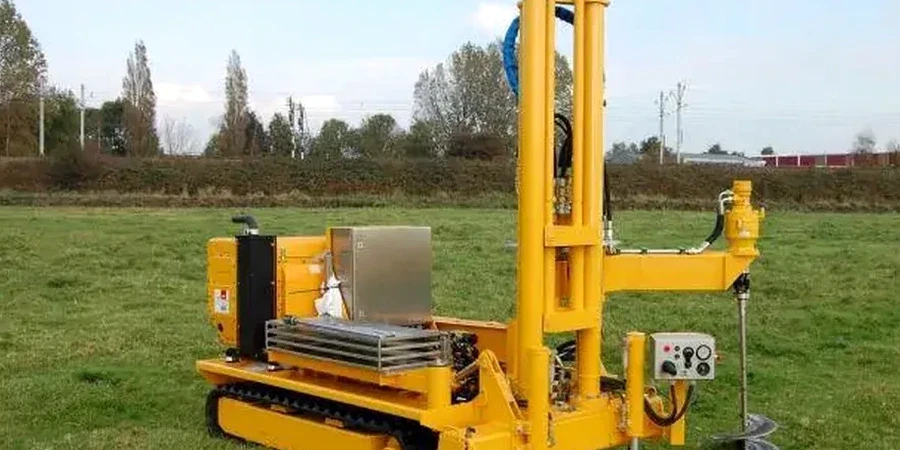
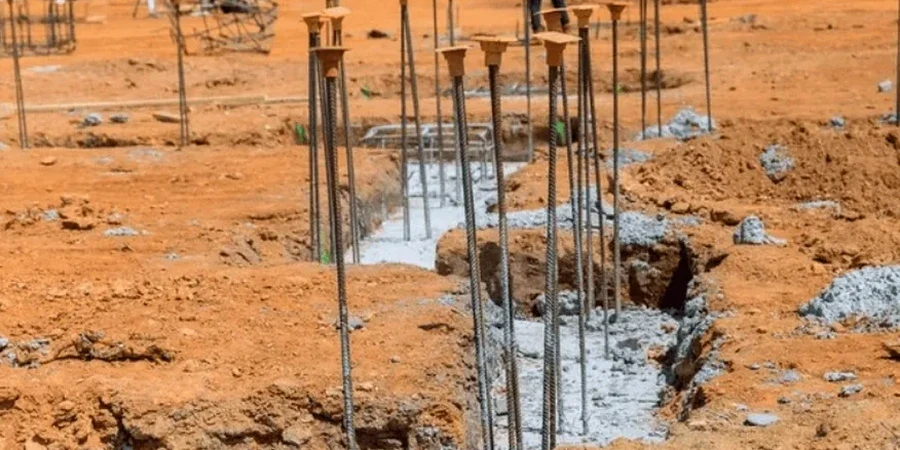
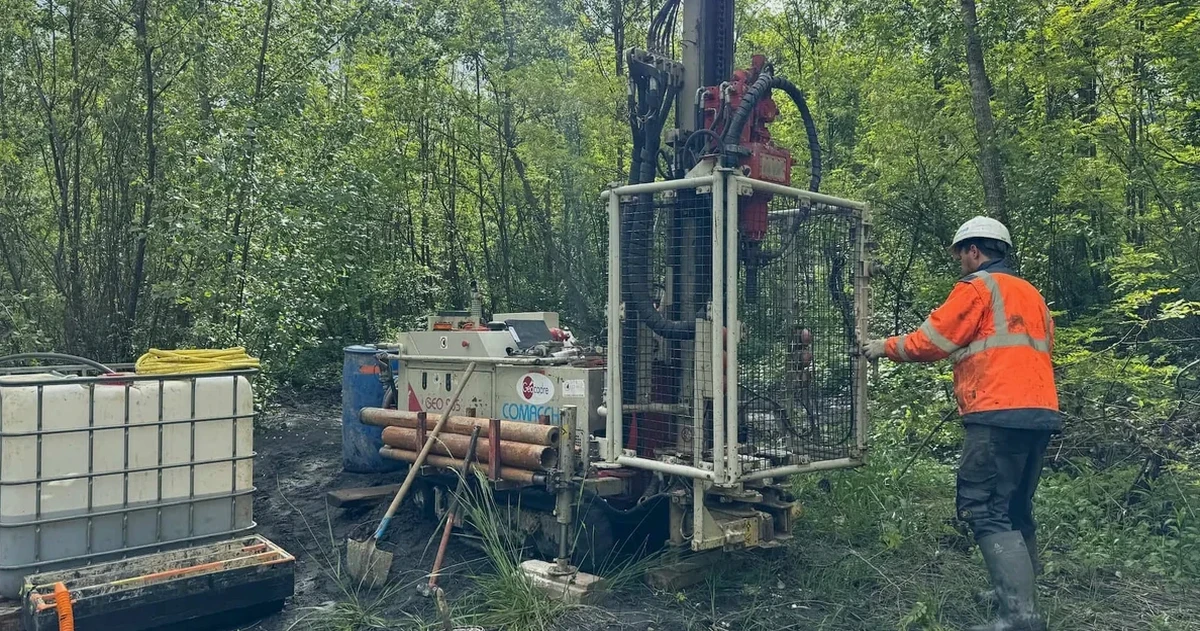
St Albert sits on lacustrine clay and glacial till along the Sturgeon River. Winter ground freezing reaches 2.4 meters deep here. That depth controls foundation design more than structural loads in many residential builds. A soil mechanics study maps the silt lenses and clay pockets that swell in spring and shrink in August. Without that map you are guessing bearing capacity. We run triaxial compression and consolidation tests in our accredited lab to give you numbers you can take to the permit office. For deep clay profiles we often pair this work with a CPT test to catch thin drainage layers that conventional drilling can miss.

St Albert's frost depth reaches 2.4 meters. Your foundation design starts with that number and the soil's drained shear strength.
Geotechnical Engineering in St Albert Alberta
Technical reference — St Albert Alberta

Our service areas

Local geology

St Albert's older neighborhoods near Mission and Braeside sit on compacted fill from the 1960s. Newer subdivisions west of Ray Gibbon Drive encounter undisturbed glacial till with erratic boulders. A soil mechanics study here must distinguish between these two regimes. We test shear strength parameters at multiple depths. We measure consolidation coefficients for the silty clay that underlies much of the downtown core. The lab runs each specimen under CSA A23.3 protocols. Reporting includes drained and undrained strength envelopes. Contractors use this data to size footings and to plan excavation slopes that will stand safely during the short construction season between May and October.

Reference standards

NBCC 2020 – Part 4 structural design, CSA A23.3 – Design of concrete structures, ASTM D4767 – Consolidated drained triaxial compression test, CSA A23.2-5A – Sieve analysis of fine and coarse aggregates

Need a geotechnical assessment?

Reply within 24h.

Email: info@geotechnicalengineering.vip

Why choose us

Our lab runs a triaxial frame with digital volume change measurement. The cell pressure system applies back pressure to saturate specimens from below the water table. We shear at rates slow enough to allow pore pressure equalization. For St Albert clays that means 0.005 mm/min or less. Rushing this step produces artificially high strength numbers. The result goes to the field engineer who checks it against SPT blow counts and CPT tip resistance. Discrepancies trigger a review. We never ship a report with mismatched lab and field data. That discipline prevents foundation under-design in the soft clays north of the river.

Typical values

ParameterTypical value
Depth of investigationUp to 15 m below grade
Shear strength (drained)Effective cohesion c' and friction angle φ'
Consolidation coefficient (cv)1x10⁻⁷ to 5x10⁻⁸ m²/s typical
Atterberg limitsLiquid limit 35-65%, Plasticity index 15-35%
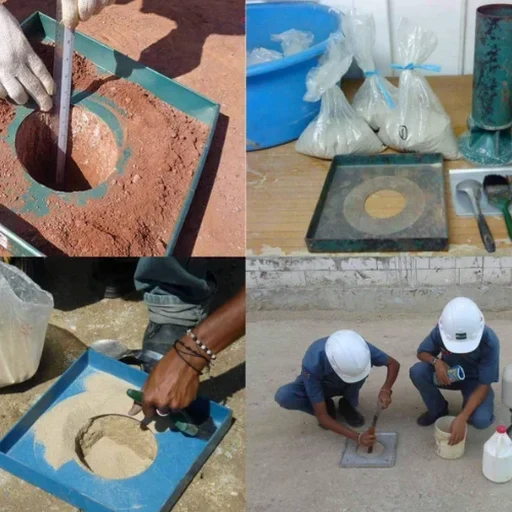
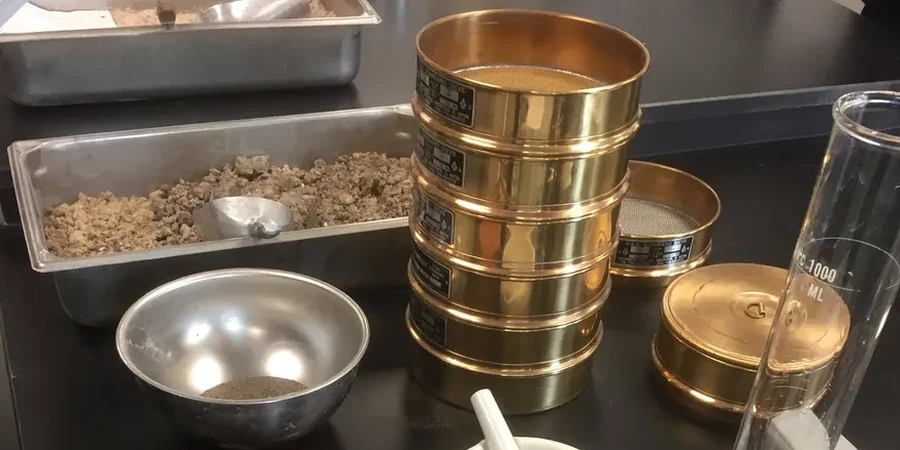
Grain size distributionSieve and hydrometer per CSA A23.2-5A
Frost susceptibilityClassified F1 to F4 per NBCC
Swell potentialPercent swell under 7 kPa surcharge

Common questions

How long does a soil mechanics study take in St Albert?

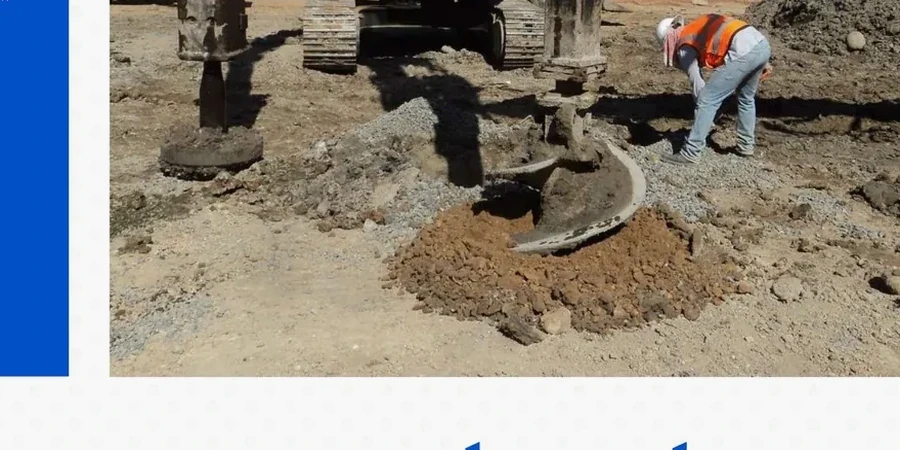
Field drilling and sampling typically takes one to two days. Lab testing runs ten to fourteen business days for a standard suite including triaxial and consolidation. The report follows three to five days after lab completion. Total turnaround is usually three to four weeks from mobilization to final PDF.

What does a soil mechanics study cost for a single-family home?

For a typical single-family lot in St Albert the study ranges from CA$4.780 to CA$7.820 depending on depth, number of boreholes, and the lab testing program required by the geotechnical engineer of record.

Do you need a soil mechanics study for a deck or garage addition?

The City of St Albert building permit office often requires a geotechnical report for additions over 55 square meters or for structures attached to the existing foundation. We recommend checking with your permit coordinator. If required we can scope a targeted investigation with one borehole and focused lab testing.

Can you test for frost heave potential?

Yes. We classify soil frost susceptibility using grain size distribution and Atterberg limits per NBCC criteria. For high-silt-content soils we run frost heave tests that measure heave pressure and rate under controlled freezing conditions. This data informs insulation requirements and footing depth decisions.

Location and service area

We serve projects in St Albert Alberta and surrounding areas.

View larger map