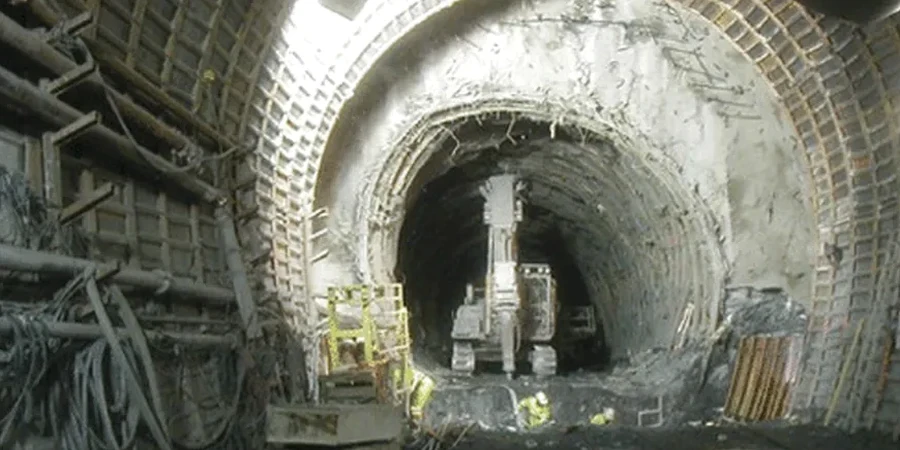
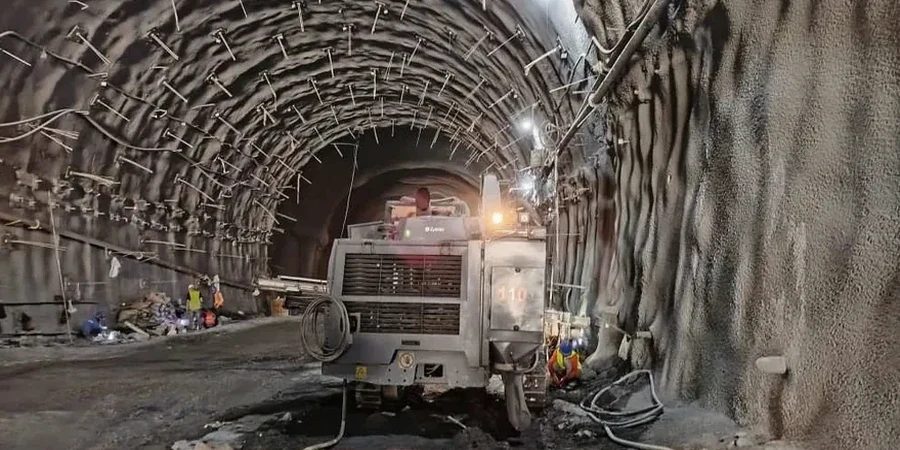
A six-level parkade excavation off St. Albert Trail hit saturated till at 4.5 meters last fall—water seepage within 90 minutes of cutting. Our crew had three vibrating-wire piezometers and two inclinometers installed before the next shift started. That kind of response time only works when you know the Sturgeon River valley geology and you’ve instrumented enough sites between Grandin and Erin Ridge to predict when a cut face will start to move. Monitoring in St. Albert isn’t about placing a few targets and walking away; it’s about tracking the transition from dry overconsolidated clay into wet glacial till, and catching the shift before it shows up in a shoring waler. We often pair excavation monitoring with deep excavation design review to confirm that bracing loads stay within the design envelope as excavation proceeds past the 6-meter mark.
Real-time total station readings at 15-minute intervals catch the creep before it becomes a shoring load problem.